EVIDENCE-BASED CONSERVATION

and science in west Africa

Small-sized mammals in West Africa’s biodiversity-rich landscape often face conservation challenges – from shrinking forest habitats to limited local expertise; and are often neglected in conservation programs.
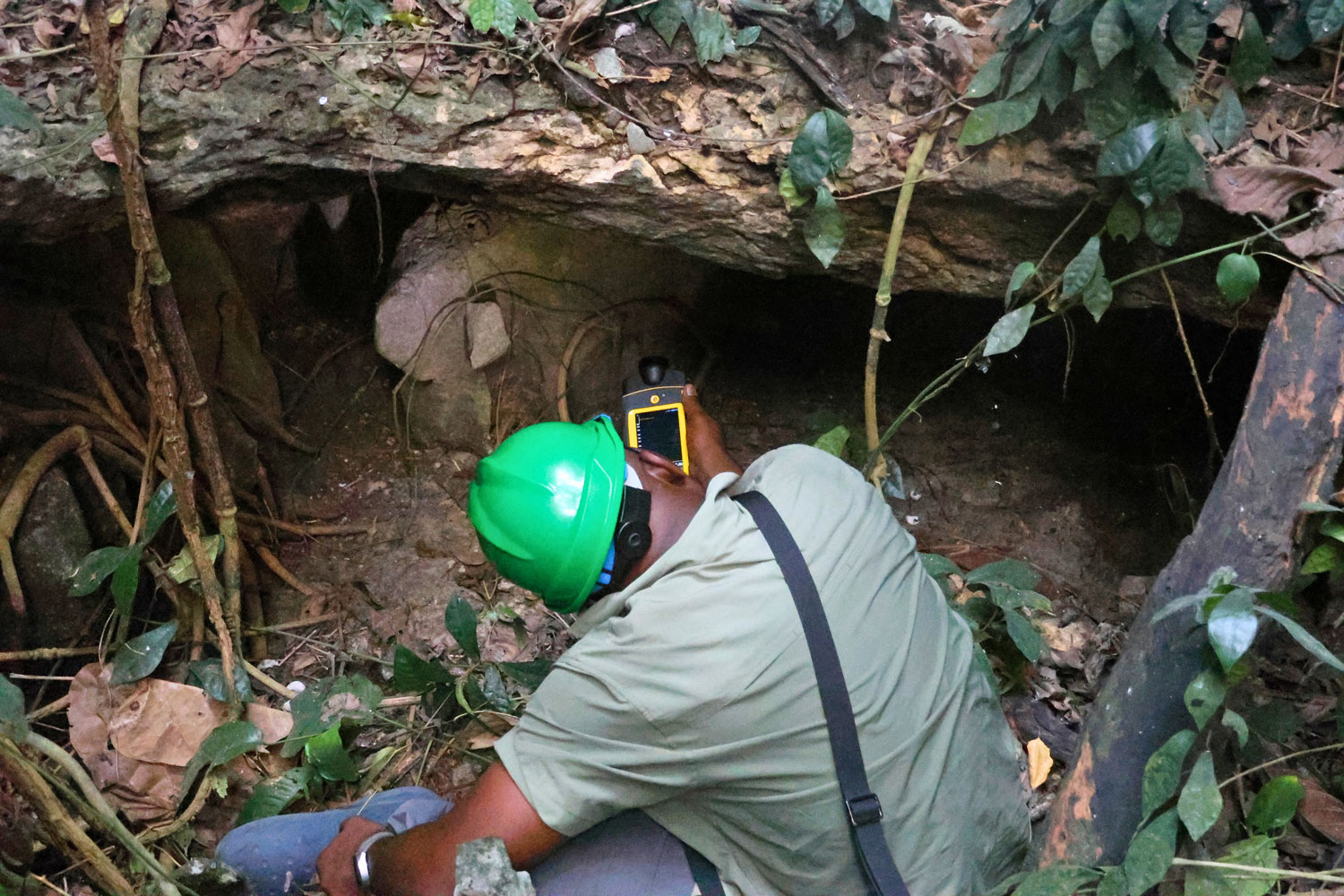
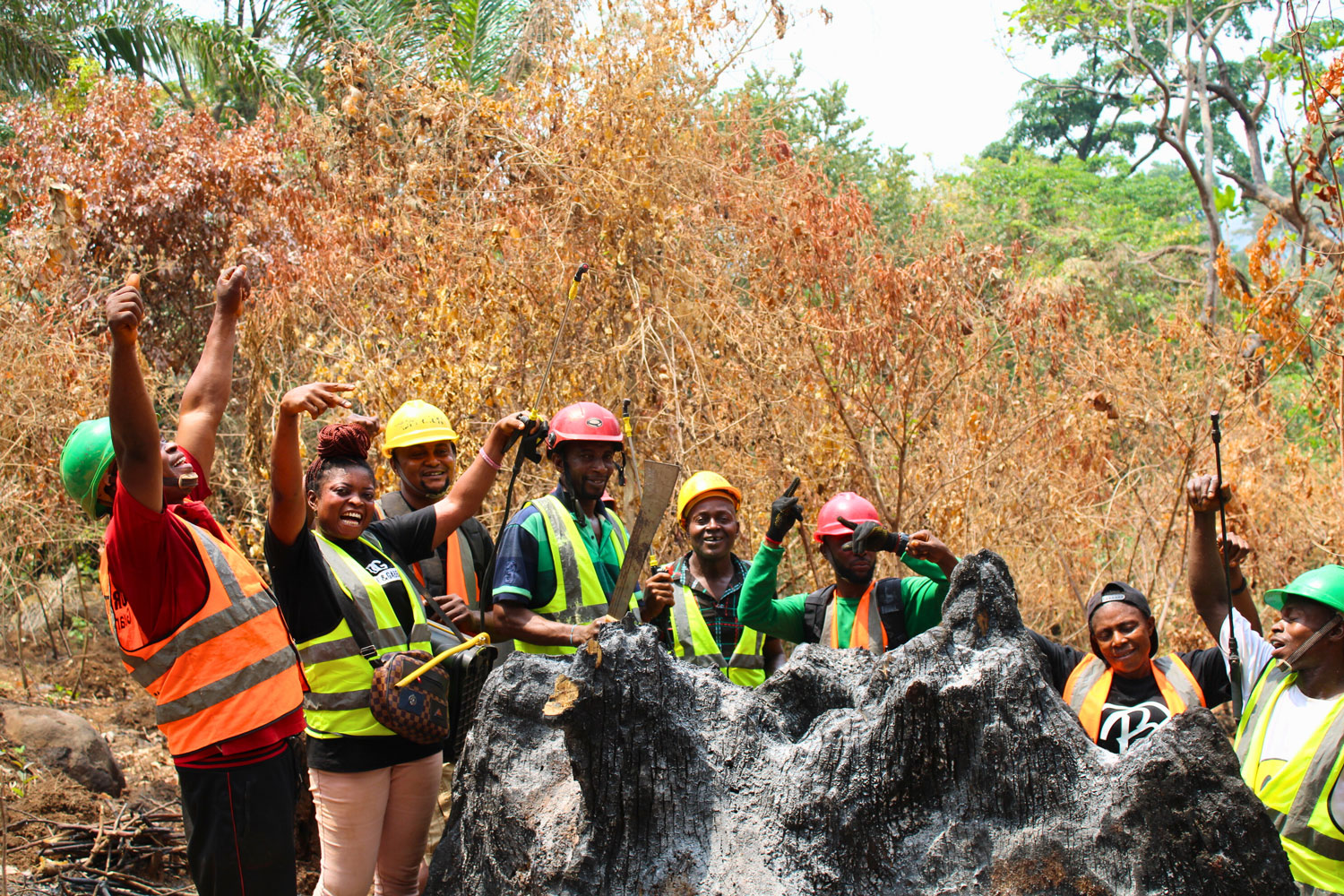
Small Mammal Conservation Organization (SMACON) protects the region’s at-risk small mammals by combining research and community engagement to deploy evidence-based conservation efforts on the ground. Our work ranges from studying species in threatened forest landscapes to supporting local communities that safeguard these habitats.
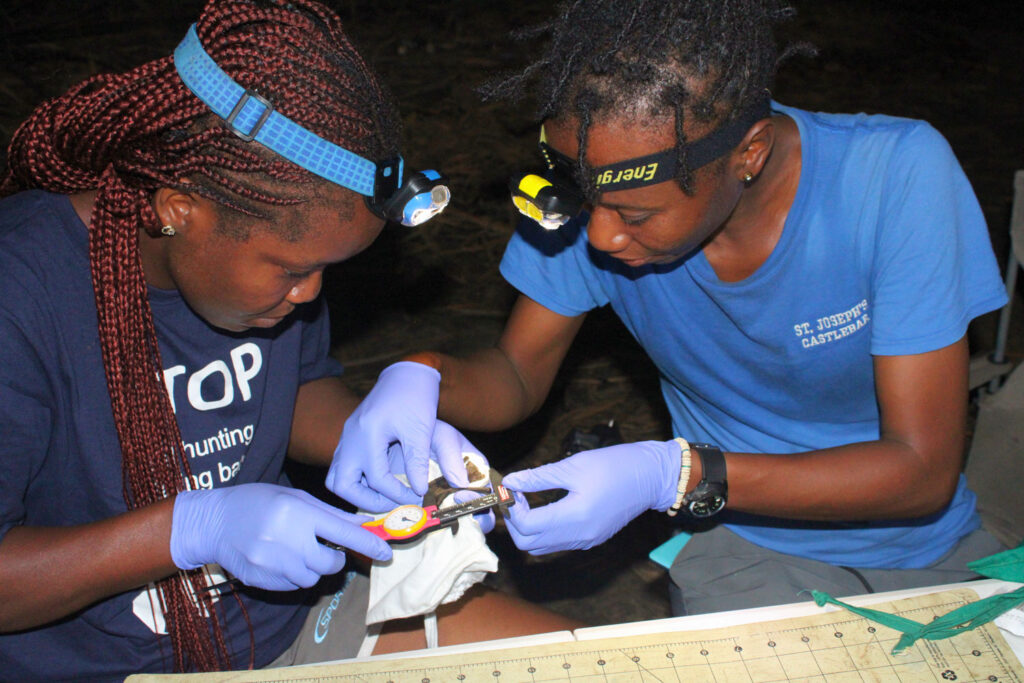
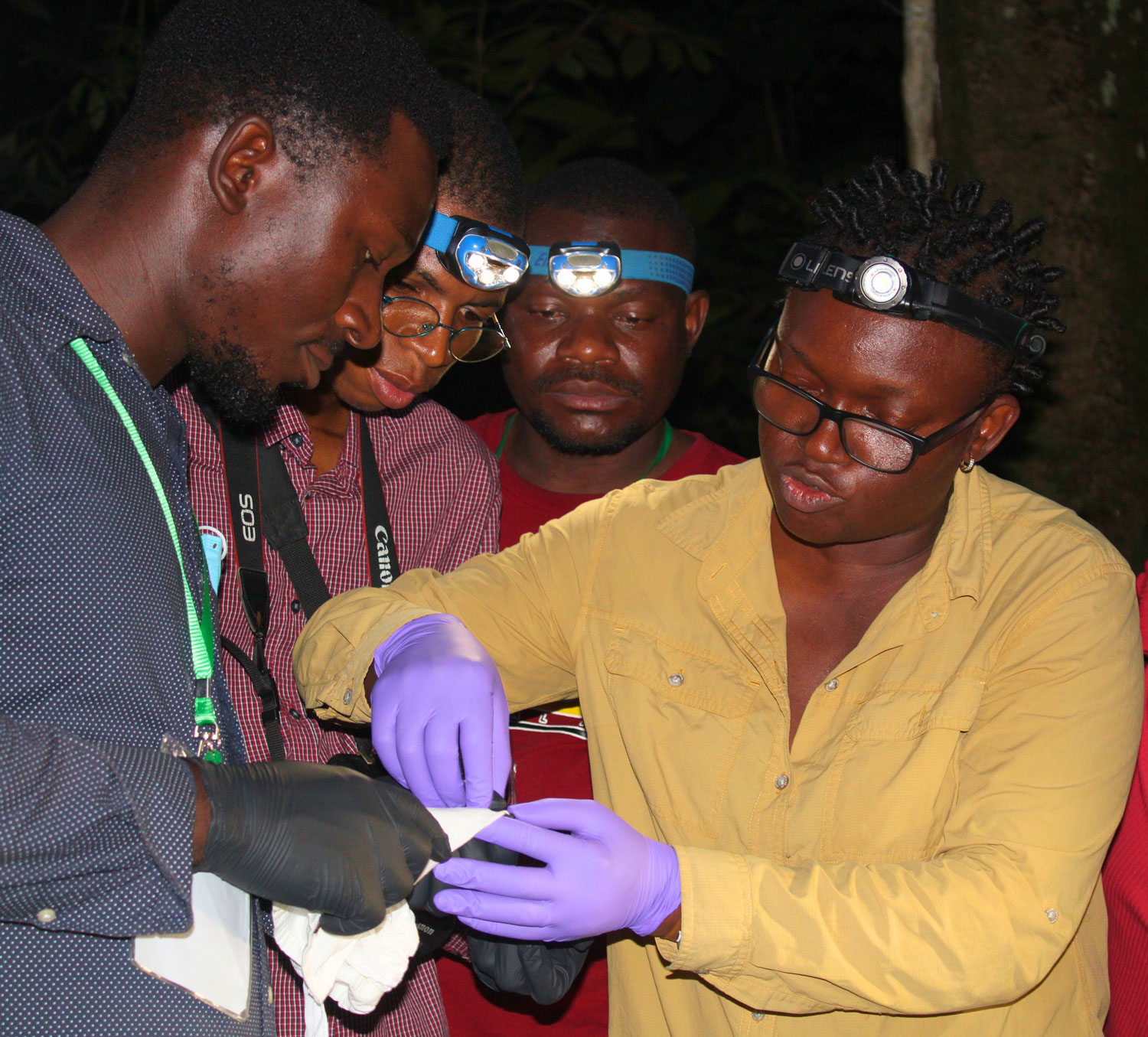
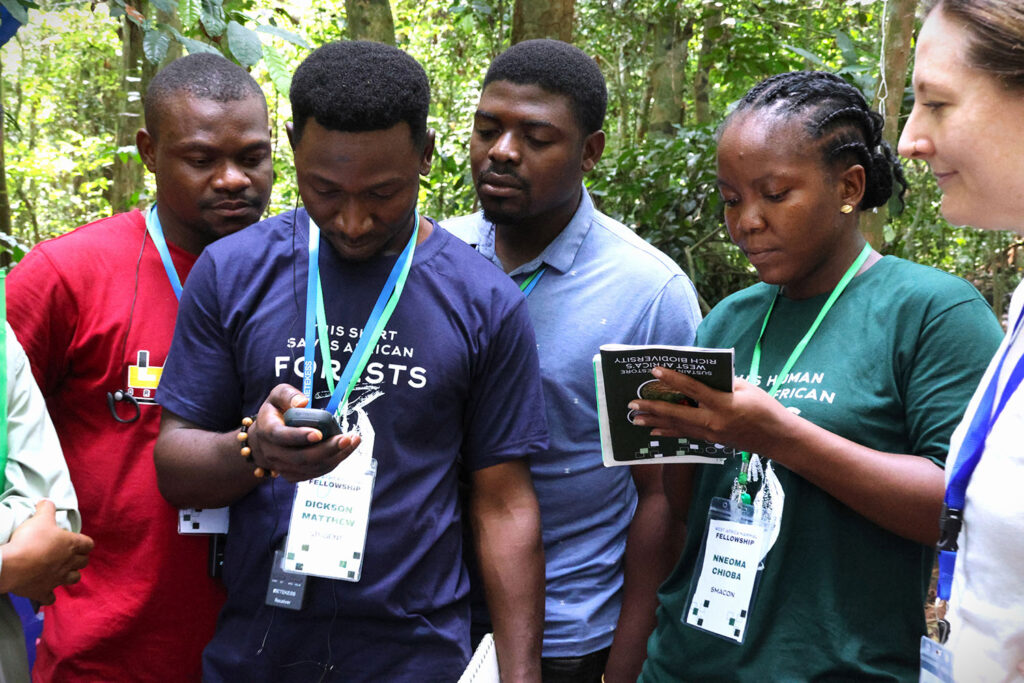
A major part of our approach is strengthening in-country biodiversity experts who will drive small mammal research and conservation in the region. We do this through the West African Mammal Fellowship (WAMF) that empowers students to conduct sound biodiversity science. Through intensive training, mentorship, and regional collaboration for graduate students, WAMF aims to develop the next generation of conservation scientists in the region. The fellowship is creating a growing network of local experts who are equipped to carry out conservation work for small mammals in their own countries.

OUR VALUES

Stimulation of exchanges between organisations.

Sustainable Livelihoods based on eco cultural values

Inclusive Restoration and conservation

OUR VALUES

Stimulation of exchanges between organisations.

Sustainable Livelihoods based on eco cultural values

Inclusive Restoration and conservation

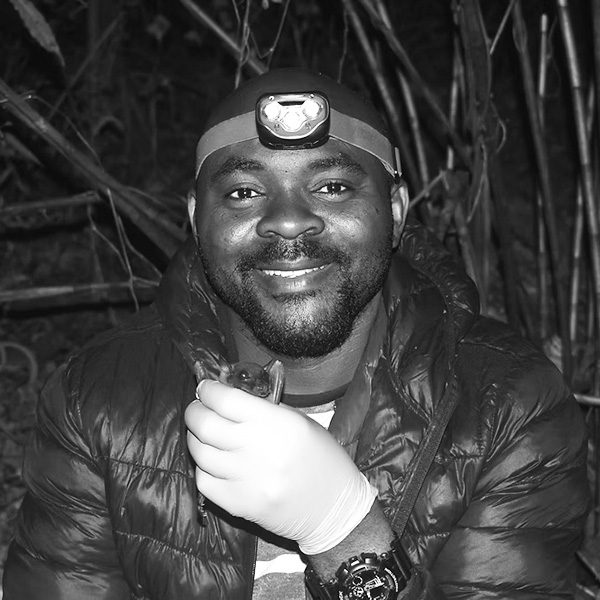
Ben_Holding_a_bat_BW
In a world where conservation efforts are concentrated around charismatic megafauna to the exclusion of small mammals, SMACON is working to reverse this imbalance by building protection from the ground up – uplifting nature-dependent people and in-country experts to save critical habitat for small mammals.

Benneth C. Obitte, Co-founder and Director of Conservation, SMACON
About SMACON

Small Mammal Conservation Organization (SMACON) is a nonprofit dedicated to protecting at-risk small mammals in West Africa through scalable, evidence-based conservation solutions that rely on socio-ecological research and strengthened capacity of in-country practitioners.